How to Organize Medical Records at Home: A Simple System
The easiest way to organize medical records at home is to give each person their own folder, split it into a few fixed categories, and file new papers on a set day each week or month. You do not need special equipment. A binder or accordion file, some dividers and a pen are enough to get started.
The goal is to be able to find a single page in under a minute, whether you are filling out a form, getting ready for an appointment or handing information to another caregiver. This guide only covers keeping paperwork organized. For anything about health, follow your care team’s instructions.
Start with one person at a time
Do not try to sort the whole household in one afternoon. Pick one person, gather everything with their name on it, and work through that pile. Common places paperwork hides include kitchen drawers, car glove boxes, purses, email inboxes and patient portal downloads.
Make three piles as you go:
- Keep: current and recent records you may need again
- Review: anything you are unsure about, to ask the office or insurer
- Recycle or shred: duplicates and anything that has no personal use, shredded if it shows names or account numbers
Choose your categories
Fewer categories means fewer places to look. These work for most families:
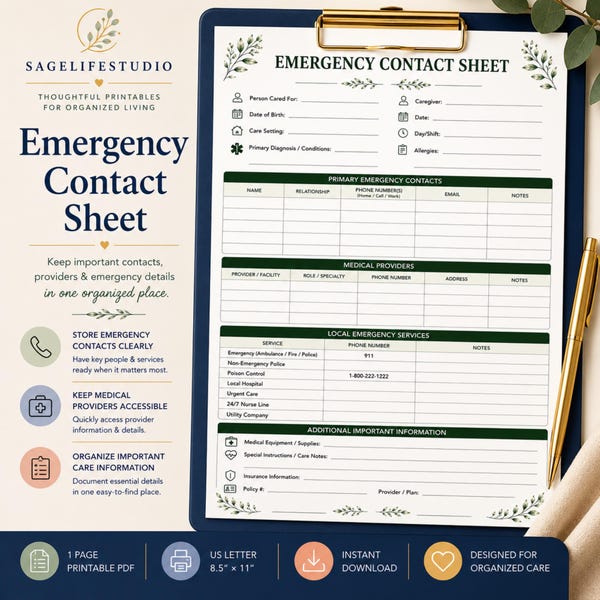
- Contacts and providers: names, phone numbers, addresses and portal logins stored safely
- Visit summaries: after-visit notes and follow-up lists, newest on top
- Test and lab results: filed by date
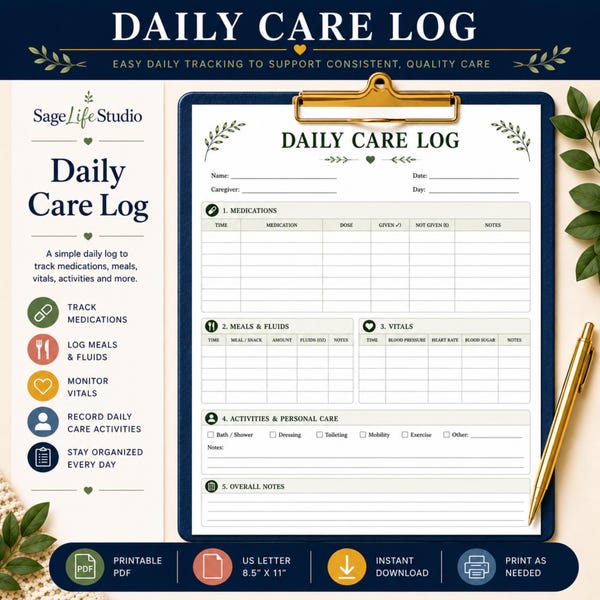
- Medications and pharmacy: current lists and pharmacy contact details, plus your medication log
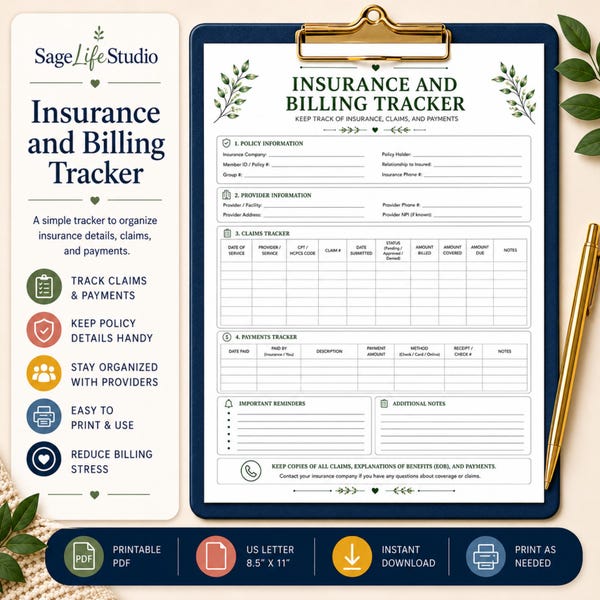
- Insurance and billing: cards, explanations of benefits, bills and receipts
- Immunization and forms: school, camp or work forms and vaccination cards
- Important documents: copies of permission or authorization forms the person has signed
Label each divider clearly. If more than one person uses the binder, use a different color for each person.
Paper, digital, or both
Paper is quick to grab in an emergency and easy to hand to a sitter or relative. Digital copies are easy to search and back up. Many families do both: a paper binder for current records, and scanned copies in a password-protected folder.
If you scan, name files the same way every time, such as 2026-10-02_Dr-Lee_visit-summary. Keep the folder structure identical to your paper categories so there is only one system to remember.
Whatever you choose, treat the records as private. Store the binder somewhere out of sight, protect digital files with a strong password, and share only what another person actually needs.
Set up a simple routine
Organization falls apart when papers pile up. A tiny habit keeps it working:
- Keep an “inbox” tray or folder for new papers
- Once a week, file everything in the inbox into the right section
- After each appointment, add the visit summary and write any follow-ups on a one-page list
- Once a year, remove outdated pages and check that contact details are still right
Pair the weekly filing with something you already do, like Sunday evening planning, so it becomes automatic.
How long to keep records
Retention needs vary by document type, by location and by your situation. Ask your doctor’s office, insurer or a qualified professional what applies to you before discarding anything important. Until you know, it is safer to keep papers you are unsure about in a “review” section than to throw them away.
Make it easy for someone else to use
Add a front page with the person’s name, main contacts and a short list of where things are. If you are sharing care with a sibling, a hired caregiver or a babysitter, this saves them from hunting through the binder. A caregiver shift notes page tucked into the front is also helpful for passing along day-to-day details.
If you are building a full set of records, see what to put in a medical binder for a longer checklist.
A quick setup checklist
- One folder or binder per person
- Dividers for contacts, visits, results, medications, insurance and forms
- A front page with contacts and a contents list
- An inbox tray and a weekly filing time
- A private, secure place to store the binder and digital files
- A yearly review date on your calendar
Frequently asked questions
Ready-made printables for your records
If you would rather start with finished layouts than blank dividers, you can browse printable binders and logs on Etsy.
Frequently asked questions
What is the best way to organize medical records at home?
Give each person their own binder or folder, divide it into a few consistent categories such as contacts, visit summaries, results, medications and insurance, and file new papers on a regular schedule.
Should I keep paper or digital medical records?
Either works, and many families use both. Paper is easy to hand to someone in a hurry, while scanned copies are searchable and easy to back up. Use the same categories for both so you only have one system.
How long should I keep medical paperwork?
It depends on the type of document and where you live, so ask your provider's office, insurer or a qualified professional before throwing important records away. Until then, keep anything you are unsure about in a review section.