Pet Sitter Information Sheet: What to Leave for a Pet Sitter
A good pet sitter information sheet answers the questions your sitter would otherwise have to text you about: what the pet eats, when it goes out, who to call at the vet, and what to do if something goes wrong. Put everything on one to two pages, and leave it somewhere obvious, like the kitchen counter or the fridge.
The goal is for a stranger to run your pet’s day exactly the way you do. The more specific you are, the less guessing your sitter has to do, and the calmer your pet is likely to be. If you have used a babysitter information sheet, the idea is the same: write it down so nobody has to remember it.
Start with contacts and the vet
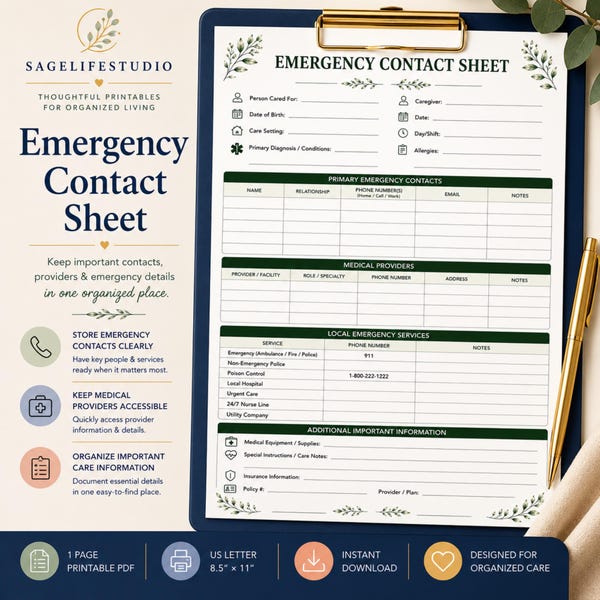
Put this section at the top, because it is the one a sitter will reach for in a hurry.
- Your cell number, where you will be, and the best times to reach you
- A backup contact who lives nearby and has a key
- Your regular vet’s name, phone number and address
- The nearest emergency or after-hours animal clinic
- An animal poison hotline number
- Permission for the sitter to seek veterinary care, and how you will cover the cost
If your vet has asked you to follow specific instructions for your pet, copy them onto the sheet word for word and follow your vet’s guidance. This sheet only keeps the information organized; it is not a substitute for advice from your vet.
Feeding and daily routine
Be exact here. “A scoop” means different things in different homes.
Food and water - Brand and type of food, and where it is stored - Amount per meal and the times to feed - Treats allowed, how many, and any foods that are off limits - Where the bowls are and how often to refresh the water
Walks, potty and play - How many walks, how long, and which route you usually take - Leash, harness and waste bag locations - Litter box location and how often to scoop - Favorite toys, games and quirks, such as a pet that pulls on the leash or hides when the doorbell rings
Sleep and comfort - Where the pet sleeps and any bedtime routine - Whether the pet may be on the furniture - Whether the pet can be left alone, and for how long
Health notes and medications
If your pet takes medication or has a condition, list it plainly: the name of the medication, the amount and times exactly as your vet’s label states, and how your pet usually takes it. Do not add instructions of your own. If you are unsure about anything, ask your vet before you leave.
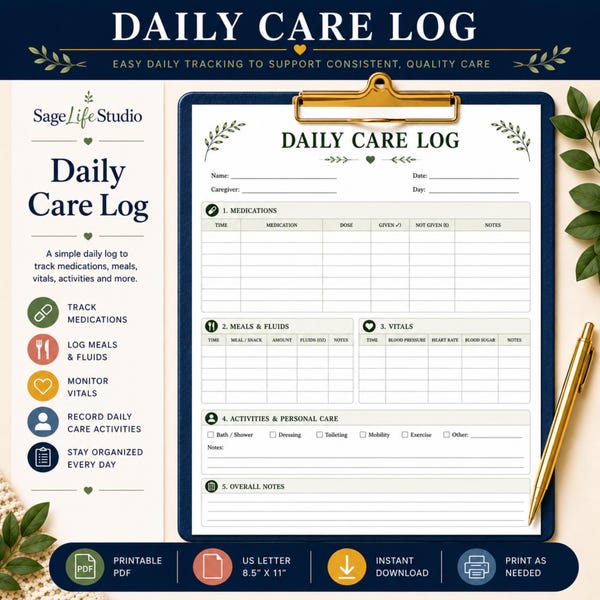
A small log your sitter can tick off each time helps both of you see at a glance what has been done. A medication log works the same way for pets as for people: date, time, what was given, and initials.
The house and the logistics
- How the sitter gets in: key, lockbox or code, and how to lock up
- Alarm instructions, if you have one
- Wi-Fi password
- Where supplies are: food, litter, cleaning products, towels, extra poop bags
- Which rooms the pet is allowed in, and doors that must stay closed
- Trash and recycling days
- Plants or items the pet should stay away from
- Who else might stop by, such as a cleaner or a neighbor
Escape and emergency plan
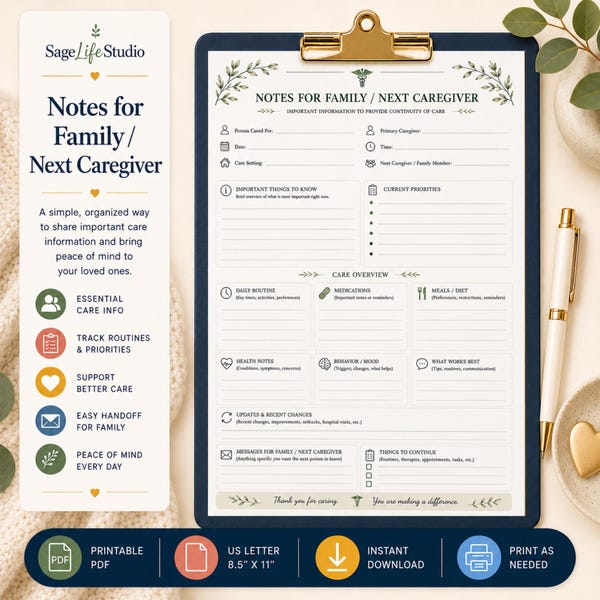
Write down what the sitter should do if the pet gets out, is hurt, or seems unwell: who to call first, the clinic’s address, and a recent photo of your pet. Confirm that microchip and ID tag details are current and keep the chip number on the sheet.
A quick pet sitter checklist
- Contacts and vet details filled in
- Feeding amounts and times written out
- Walk, potty and litter routine described
- Medication details copied from the vet’s label
- Home access and safety information included
- Emergency plan and recent photo attached
- Walkthrough done before you leave
Frequently asked questions
Printables for pet owners and sitters
If you would rather fill in a ready-made layout than start from a blank page, you can find printable pet and sitter sheets on Etsy.
Frequently asked questions
What information should I leave for a pet sitter?
Leave your contact details, a backup contact, your vet and an emergency clinic, feeding amounts and times, walk and potty routines, medication details as written by your vet, home access information, and what to do in an emergency.
How long should a pet sitter information sheet be?
One to two pages is plenty. Put contacts and emergency information first, then the daily routine, then house details, so the sitter can find the urgent items quickly.
Should I walk the sitter through the sheet in person?
Yes, if you can. A short walkthrough of the feeding area, the leash and the supplies, and a chance to meet the pet before you travel, makes the written sheet much easier to follow.