Respite Care Handoff Sheet: What to Leave for a Substitute Caregiver
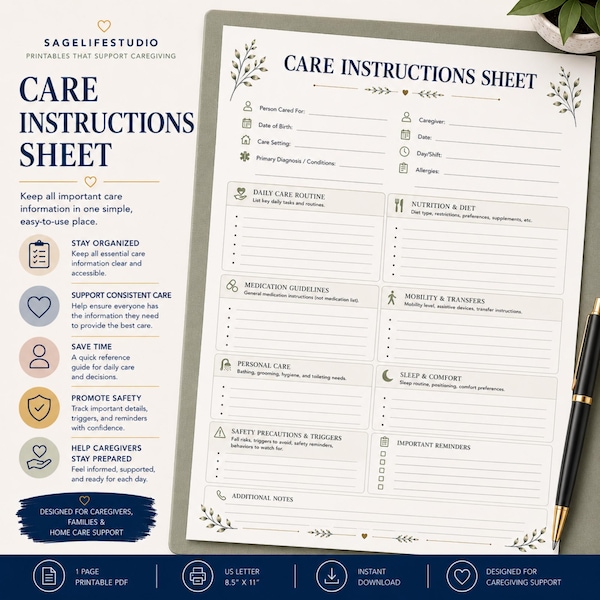
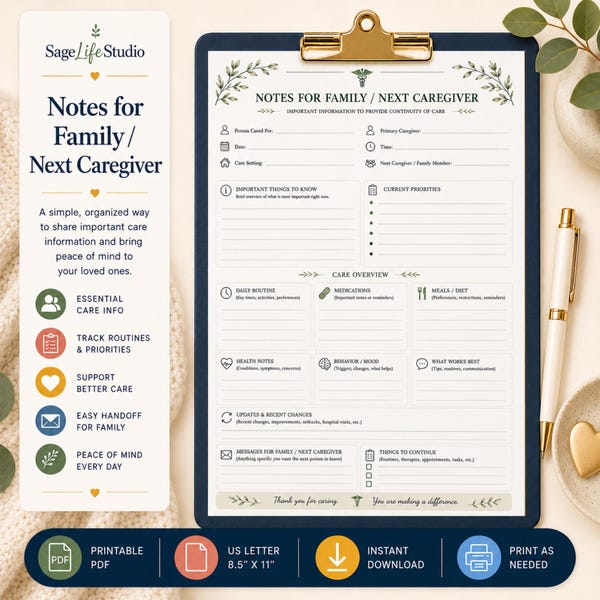
Taking a break is part of caring well, but handing over care to someone else can feel like explaining a whole life in an afternoon. A respite care handoff sheet solves that. It is a short, organized set of pages that tells a relative, friend or paid sitter what they need to know, so you can rest without a stream of questions and they can step in calmly.
This guide covers what to include, how to keep it short enough to actually be read, and how to make the first handoff go smoothly. It works for caring for a child with special needs, an aging parent, a spouse with a chronic illness or anyone else who relies on you day to day.
What a handoff sheet should cover
1. The basics at the top
Start with the person’s name, what they like to be called, age, and a recent photo if appropriate. Add where you will be, how to reach you, and when you expect to return. Put the most important information on the first page so nobody has to hunt for it.
2. Emergency and contact information
List emergency contacts, the doctor’s and pharmacy’s phone numbers, the preferred hospital and a neighbor or backup person who can help. If you have a full set of contact pages, such as an emergency contact sheet, keep a copy by the phone and on the fridge.
3. Medications and allergies
Write each medication, the dose, the time and any instructions such as “with food.” Note allergies clearly and where medications are stored. A simple log lets the substitute check off each dose so nothing is missed or doubled. For more on tracking, see our guide to a medication log for a family member.
4. The daily routine
Describe the day in time order: waking, meals, snacks, medication times, rest, activities, bath and bedtime. Include small details that make the day go well, such as the cup they prefer, the show they like or the order of steps in a bedtime routine. These details are often what separate a stressful visit from an easy one.
5. Comfort, communication and calming tips
Explain how the person communicates needs, what signs show they are uncomfortable or upset, and what helps. Use plain, respectful language and keep it practical: “He likes the lights low after dinner” is more useful than a long description.
6. Safety and household notes
Note stairs, locks, equipment, pets, wandering concerns, food rules and anything else the substitute should be aware of. Add simple house details like where supplies are kept and how to work the thermostat or the TV.
7. A place for notes back to you
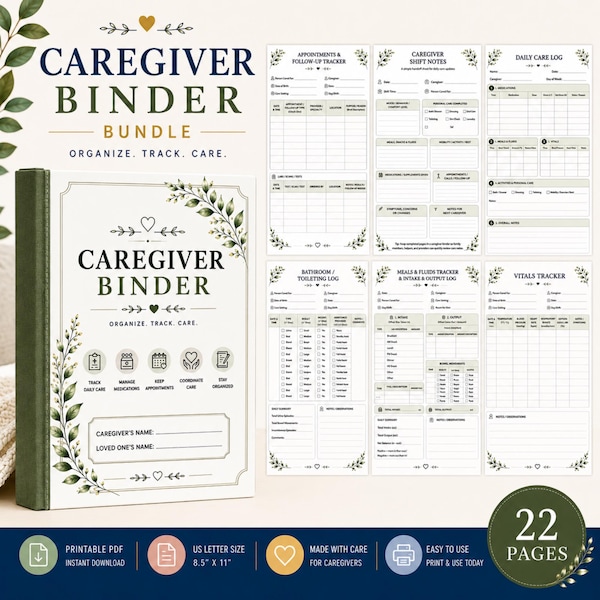
Leave space for the substitute to record what happened: meals, medications given, mood, naps and any concerns. A notes page helps you pick up where they left off. See caregiver shift notes: what to write down for what makes a good note.
Tips for a smoother handoff
- Keep it to one to three pages. A short sheet gets read. Move long background to a separate binder.
- Do a trial run. Have the substitute visit while you are home, walk through the sheet together and answer questions.
- Use checkboxes and times. Lists are easier to follow than paragraphs.
- Update it regularly. Medications and routines change, so review the sheet before each break.
- Keep a master copy. Save a clean version so you can print a fresh one whenever you need it.
Who benefits from a handoff sheet
A handoff sheet is helpful for family members who share care, paid caregivers, respite providers, school or camp staff and friends who help occasionally. If you are building a bigger system, our guides on what to put in a medical binder and the special needs parent binder show how a single sheet fits into a full binder.
Frequently asked questions
Printable templates
Looking for ready-to-use pages? See the caregiver printables and binder bundles on Etsy.
Frequently asked questions
What is a respite care handoff sheet?
It is a short document that gives a substitute caregiver the key information they need: contacts, medications, routines, comfort tips and safety notes, so they can provide care while the main caregiver takes a break.
What should I tell a respite caregiver?
Share emergency contacts, medications and allergies, the daily routine, how the person communicates and what comforts them, plus any safety concerns and when you will return.
How long should a caregiver handoff sheet be?
Aim for one to three pages. Put the essentials first and keep longer background in a separate binder.