Hospital Stay Checklist: What to Keep in a Hospital Binder
A hospital binder is one folder that holds everything you will want within reach during a stay: contact numbers, a current list of medications and allergies as written by the care team, a place for notes, and the paperwork you will be handed along the way. The simplest setup is a slim three-ring binder with five tabbed sections, kept in a bag that goes wherever the patient goes.
This guide is about organizing only. It is not medical or legal advice, and a binder does not replace anything the hospital staff tells you. Always follow the care team’s instructions, and ask them to clarify anything you are unsure about. The binder just helps you keep information in one place so nothing gets lost in a stressful week.
Why a hospital binder helps
Hospital stays move fast. Different nurses change shifts, new specialists stop by, and papers pile up on the tray table. When you are tired, it is hard to remember who said what. A binder gives you one spot to look things up, and it lets a relative who takes over for a night see the full picture without a long phone call.
If you already keep a medical binder at home, you can pull the key pages from it and add a short hospital section on top.
Five sections to set up
Use tab dividers and label each one clearly. Here is a layout that works for most families:
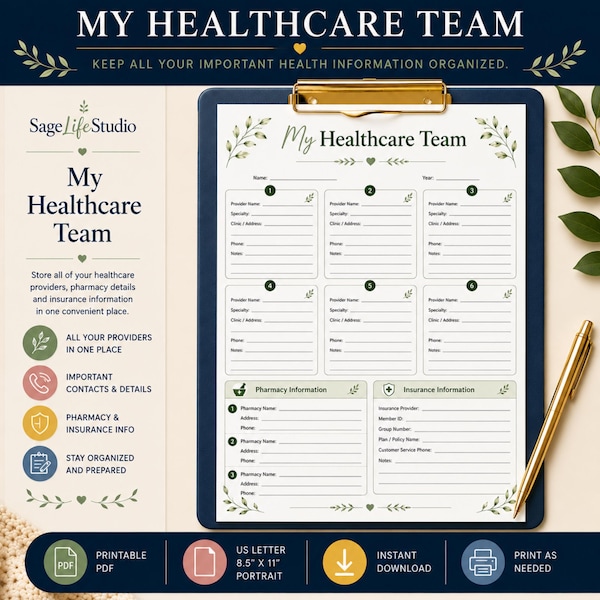
- Contacts: family members, the primary care provider, specialists, the pharmacy and the person who has agreed to be the main point of contact.
- Health snapshot: a one-page summary copied from existing paperwork, including allergies, current medications and doses exactly as they appear on the pharmacy label or provider paperwork, and diagnoses as the care team has named them.
- Insurance and ID: photocopies of insurance cards and photo ID, plus the insurer’s phone number. Keep originals in a secure place.
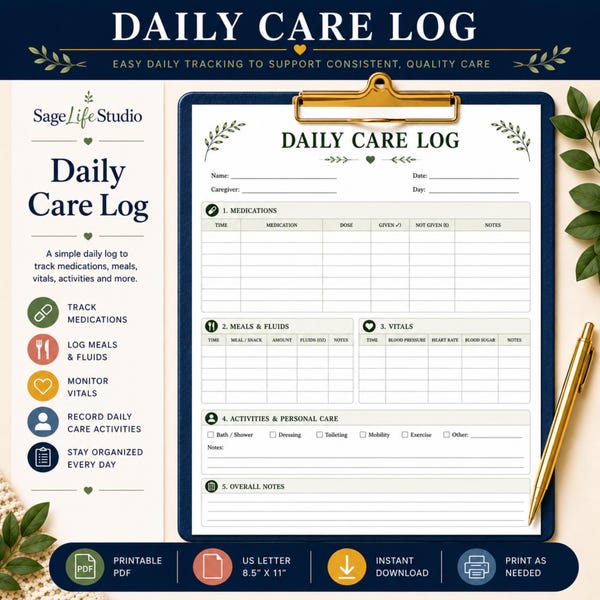
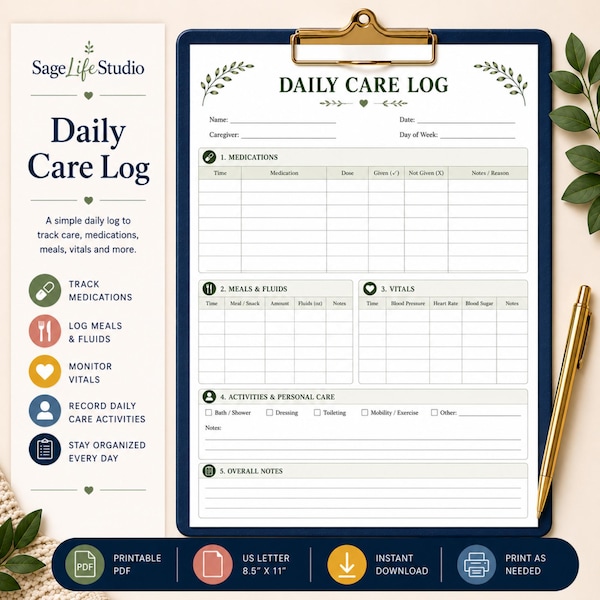
- Daily notes: a running log of each day during the stay.
- Paperwork: consent forms, discharge instructions, bills and anything else you are handed.
If you are not sure what belongs on the health snapshot, ask the nurse or pharmacist to confirm it is accurate. Never guess or fill it in from memory when something is unclear.
What to pack alongside the binder
Beyond papers, a few practical items make a stay easier. Adjust this list to your situation:
- Phone charger with a long cord and a small notebook with pens
- A list of questions for the care team (see our post on questions to bring to a doctor’s appointment)
- Comfortable clothes, slip-on shoes and basic toiletries, if the hospital allows them
- A list of any items that came from home, so nothing is left behind
- Sticky notes and a highlighter for marking key pages
Check with the hospital about what is permitted before you bring anything.
How to keep daily notes
A short, consistent format beats long paragraphs. At the top of each page, write the date and who is writing. Then jot down a few lines under each of these headings:
- Who we spoke with: name and role, for example “night nurse” or “surgical team”.
- What they told us: write it in the provider’s own words, and mark anything you need to double-check.
- Questions to ask next: things that came up that you want to raise at the next visit.
- To do: forms to sign, calls to make, items to pick up.
This is the same idea as a caregiver shift notes page, and it works well when several relatives take turns sitting with the patient.
Keep the paperwork under control
Hospitals hand out a lot of paper. Put every sheet in the paperwork section the same day, newest on top, and write the date on anything undated. A few page protectors keep loose items together. Before leaving, ask which papers are the discharge instructions and slip those into a clear sleeve at the very front, so they are easy to find at home.
For bills and insurance letters that arrive later, start a separate folder rather than adding them to the binder, and note the date each one came in.
After the stay
When you get home, take twenty minutes to tidy up. Move anything the care team wants you to keep handy into your regular home binder, file bills where you track billing, and shred or archive pages you no longer need according to your own judgment. Update the contact list if new providers were added. If follow-up appointments were scheduled, write them on your calendar and in your visit log.
Quick checklist
- Slim binder with five labeled sections
- Contact list with one main point of contact
- Health snapshot confirmed by the care team
- Copies of insurance cards and ID
- Daily notes page with date and author
- One clear sleeve for discharge instructions
- Follow-up appointments written down
Frequently asked questions
Ready-made printables to get you started
If you would rather start with finished pages than a blank sheet, you can browse printable caregiver binders, logs and trackers on Etsy.
Frequently asked questions
What should I put in a hospital binder?
Include a contact list, a one-page health snapshot confirmed by the care team, copies of insurance and ID, a daily notes section and a place for paperwork. Follow the care team's instructions for anything health related.
Should I bring original documents to the hospital?
Bring copies of insurance cards and ID instead of originals when possible, and keep originals in a secure place. Ask the hospital what it requires.
Who should keep the binder during the stay?
Choose one person to be the main keeper, and let others add notes on the daily page. Keep it in a bag that stays with the patient or main support person so it is always easy to find.