How to Organize a Parent's Paperwork When You Become a Caregiver
When you become a caregiver for a parent, the first thing you usually inherit is a pile of paper: statements, insurance letters, appointment cards and envelopes with no obvious home. The simplest way to tame it is to gather everything in one spot, sort it into a few broad categories, and file each category in a labeled binder or box with a one-page “where things are” index at the front.
This guide is about organizing only. It is not medical, financial or legal advice. For health questions, follow your parent’s care team, and for questions about legal or financial documents, ask a qualified professional such as an attorney or financial advisor. A binder simply helps you keep track of what exists and where it lives.
Start with a conversation, not a shredder
Before you touch a single drawer, talk with your parent if you can. Explain that you want to make things easier to find, not take over. Ask where they keep important papers, who else helps them, and what they would like you to leave alone. Respecting their privacy and wishes makes the whole process smoother and builds trust.
Do not throw anything away on the first pass. Your goal for the first week is to gather and sort, not to decide what is safe to discard.
Gather everything in one place
Set up a clear table or a few boxes and collect papers from desks, drawers, bags and the mail pile. Ask your parent to point out any hiding spots. Then sort into piles using sticky notes as labels. These categories work for most families:
- Identity and personal records
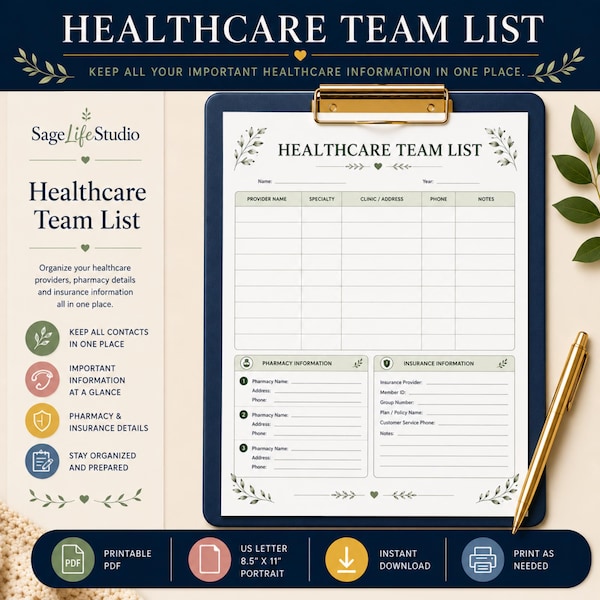
- Health care and care team information
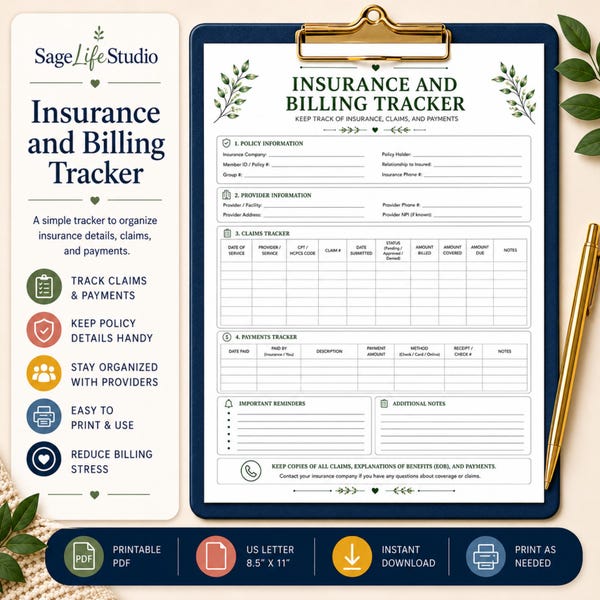
- Insurance and billing
- Banking, bills and monthly statements
- Home, car and property
- Taxes
- Legal documents and who to contact about them
- Mail that still needs action
The “needs action” pile is your most important one. Anything with a due date goes there first.
Build a simple filing system
You do not need a fancy setup. A three-ring binder with tab dividers works well for papers you reference often, such as contacts, the care team list and recent statements. A portable file box or accordion folder is better for older records you rarely open.
Label each tab with the same category names you used for sorting. Inside each section, file newest papers on top. A page protector keeps small items like cards from slipping out.
Here is a sensible split:
- Binder (active): care team contacts, current insurance information, appointment notes, a medication list copied from the pharmacy or prescriber paperwork, and the current year’s bills.
- Box (archive): past tax years, old statements, closed accounts and completed paperwork.
- Locked spot (sensitive): original legal documents and anything your family has agreed should be stored securely.
Create a one-page index
At the very front of the binder, write a single page that answers “where is it?” For each category, note where the paper copy lives and, if relevant, which office or company holds the original. Add the names and phone numbers of the people involved in your parent’s care. Our emergency contact sheet post shows what to list and where to keep it.
Do not write full account numbers or passwords on the index. Note which account exists and who to call, and keep sensitive login details in a secure place your family has agreed on.
Set up the health section
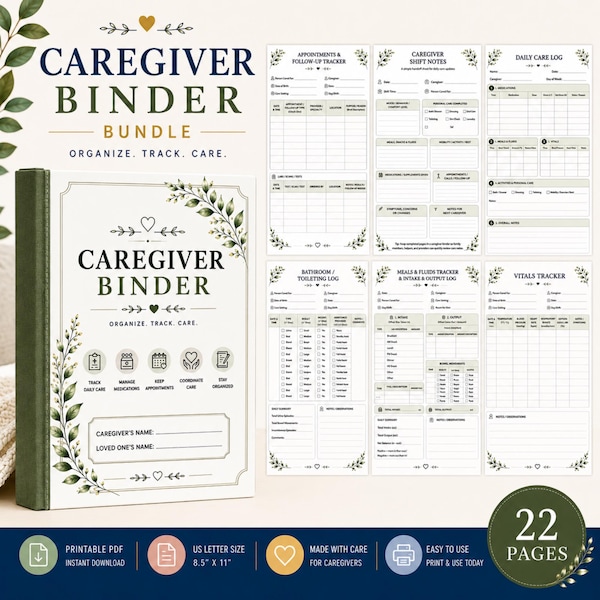
If your parent sees doctors regularly, give health papers their own section. Include the care team contact list, a visit log, and copies of summaries given to you at appointments. Write down instructions in the provider’s own words and follow the care team for any health decisions. For more detail, see how to organize medical records at home and what to put in a medical binder.
Tame the incoming mail
New paperwork keeps arriving, so build a small routine. Open mail on a set day each week, put anything with a deadline in the “needs action” folder, and file the rest the same day. If you share duties with siblings or other helpers, a short notes page in the front of the binder lets everyone see what has been handled. A caregiver shift notes page can double as this running log.
Keep it up with a monthly check
Once a month, spend twenty minutes on a quick review. Clear the action pile, file new statements, and update the index if anything moved. Every few months, confirm the contacts are still correct. Small, regular upkeep beats a weekend overhaul every year.
Quick checklist
- Talked with your parent about what they are comfortable sharing
- Gathered papers into one spot and sorted by category
- Active binder plus an archive box
- One-page index at the front
- Separate sections for health, insurance and bills
- Weekly mail routine and monthly review
Frequently asked questions
Ready-made printables to get you started
If you would rather start with finished pages than a blank sheet, you can browse printable caregiver binders, logs and trackers on Etsy.
Frequently asked questions
Where do I start when organizing a parent's paperwork?
Start by talking with your parent, then gather everything into one place and sort it into broad categories such as health, insurance, bills and legal. Do not discard anything until it has been sorted and reviewed.
What should I keep in a binder versus an archive box?
Keep papers you refer to often, like contacts, current insurance details and recent statements, in the binder. Store older records and completed paperwork in a box. Ask a qualified professional how long to keep specific documents.
How do I handle legal or financial documents?
Treat them as items to locate and store securely. For questions about what they mean or how to use them, ask an attorney or financial professional, since this guide covers organizing only.