How to Prepare a Home for a Substitute Caregiver
To prepare a home for a substitute caregiver, make everything they will need easy to find, easy to read and in one predictable place. That means a single information folder on the counter, labeled supplies, a walk-through before you leave, and a short written plan for the unexpected. The goal is that a capable stranger could run the day without opening every drawer or calling you.
This post covers organizing only. It is not medical, legal or safety advice. Wherever health comes up, follow your care team’s instructions, and use these steps only to keep information and supplies in order.
Start with one home base
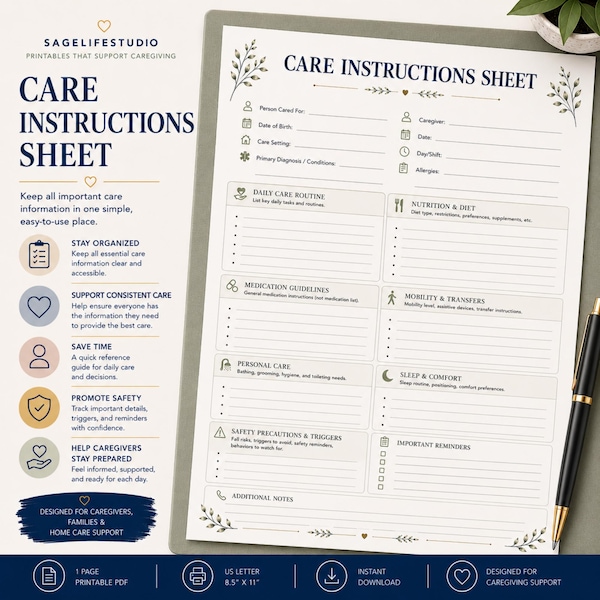
Pick one spot, such as the kitchen counter or a clipboard by the front door, and put the information folder there. Everything written goes in this one place so the substitute is not hunting through notes on the fridge, a phone and a drawer. If you already keep a binder, set it out; our guide to the respite care information sheet lists what belongs inside.
What goes in the folder
Keep it short enough to read in ten minutes. A good folder holds:
- A one-page summary of the person’s daily routine, in time order.
- Emergency and family contacts, with the best way to reach each.
- A current medication list and schedule exactly as written by the care team or pharmacy.
- Allergy and dietary information, copied from the official source.
- Doctor, pharmacy and insurance details.
- House basics: Wi-Fi password, thermostat, locks, alarm, where the circuit breaker is.
- Your own travel details and when you plan to be reachable.
Date the pages so the substitute knows they are current. Cross out anything old rather than leaving two versions side by side.
Set up the physical space
Walk through the home as if you had never been there. Then make small changes:
- Label the places things live. A strip of tape on a cabinet or bin saves repeated questions.
- Gather daily supplies. Put items used each day together in one basket or shelf rather than across three rooms.
- Stage the medications and supplies the care team has set up. Keep them stored as directed, in their usual place, and point to that spot in your notes. Do not change how anything is stored or given; just record where it is.
- Clear walkways. Move cords, loose rugs and clutter so the substitute is not tripping in an unfamiliar house.
- Mark light switches, stairs or doors that are confusing or stick.
- Stock the basics. Meals, snacks, cleaning supplies, spare batteries, a flashlight and a charger.
Make the routine visible
People are less likely to miss steps when the schedule is posted where they will look. Print a one-page daily routine and tape it inside a cabinet door or keep it on the clipboard. Include usual wake and meal times, outings, rest periods and favorite comforts. The daily routine chart for caregivers is a handy starting format. Note what is flexible and what is not, in plain words.
Write a short “if something happens” plan
Include the steps you want followed in an emergency, based on what your care team and local emergency services recommend: who to call first, where the folder and insurance cards are, which hospital or clinic you prefer, and how to reach you. Keep it simple and in large print. If anything in it concerns health, ask the care team how they want it phrased.
Do a walk-through, not just a handoff
If you can, schedule the substitute for a brief visit before your first day away. Show them the folder, the supply spots, the routine and the emergency plan. Ask them what is unclear and fix those spots in writing right then. A fifteen-minute walk-through catches most problems.
Plan the check-ins
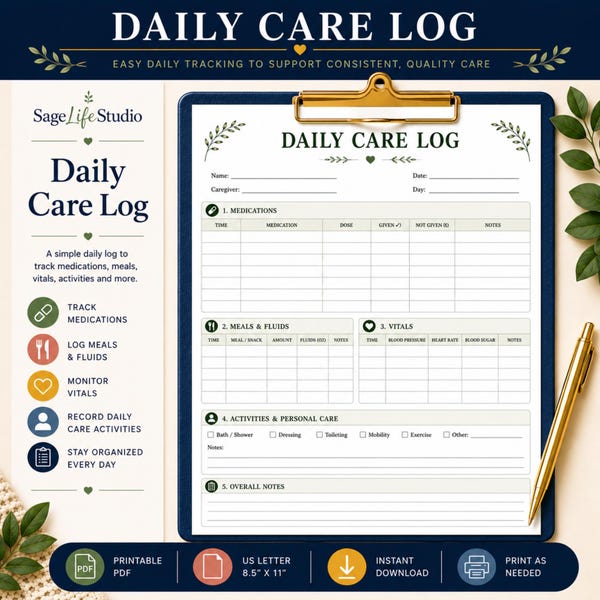
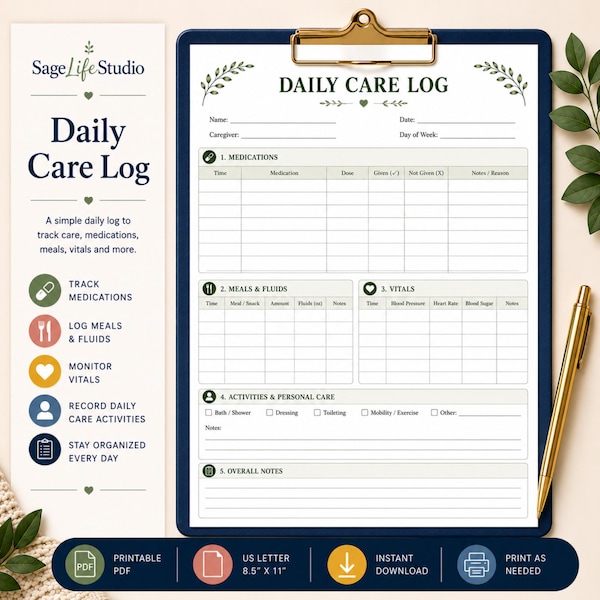
Agree on when and how you will be contacted, and what counts as urgent. Some families use a short end-of-day note; the substitute can fill in a log page as they go. This keeps you informed without constant texts, and gives you a record to read when you return.
After you return
Read the log, thank the substitute and update the folder with anything they found missing. Each time you do this the setup gets better, and the next absence takes less preparation.
Frequently asked questions
Ready-made printables to get you started
If you would like finished pages for routines, contacts and handoff notes, you can browse printable binders, logs and planners on Etsy.
Frequently asked questions
What should I leave out for a substitute caregiver?
Leave one organized folder with the daily routine, contacts, medication and allergy lists from the care team, house basics and an emergency plan, plus labeled supplies in predictable places.
How far ahead should I prepare the home?
Aim to have the folder and supplies ready a few days before you leave, so you can do a short walk-through and fix anything the substitute finds unclear.
Should I tell a substitute caregiver how to handle health issues?
Share the written instructions your care team has given you, exactly as provided, and ask the team how they want urgent situations handled. This post only helps with organizing information.