How to Split Caregiving Tasks Between Family Members
The easiest way to split caregiving tasks fairly is to write every task down in one shared list, then assign each task to a named person with a day or frequency next to it. Once the tasks are visible, you can match them to each person’s time, location and strengths instead of relying on whoever happens to answer the phone first.
This post is about organizing only. It cannot tell you what care a person needs, so follow the care team’s instructions on anything involving health, and ask them which tasks should stay with a particular person.
Why informal arrangements break down
Many families start with “just call me if you need anything.” That works for a few weeks. Then one person ends up doing most of the driving, another does not know a refill is due, and a third assumes someone else already called the pharmacy.
Writing tasks down fixes three common problems: tasks that fall through the cracks, tasks that two people do twice, and resentment that builds when one person carries an invisible load.
Step 1: List every task, not just the big ones
Sit down together, or build the list over a few days, and include the small jobs. A good starting set:
- Driving to and from appointments
- Picking up prescriptions and supplies
- Keeping the appointment calendar updated
- Paying bills and sorting mail
- Grocery shopping and meal preparation
- Home upkeep, laundry and cleaning
- Phone calls to insurers, providers and agencies
- Daily check-in calls or visits
- Updating the shared binder or log
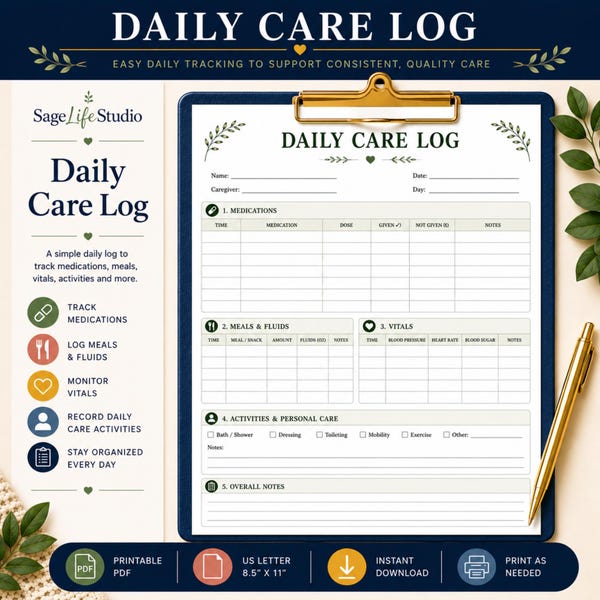
If you already keep a caregiver daily log, skim it for tasks that happen regularly but never made it onto anyone’s list.
Step 2: Note how often and how long
A task labeled “appointments” can mean one visit a month or three a week. Next to each item, write the rough frequency and time needed, such as “weekly, 2 hours” or “as needed, 30 minutes.” This makes it much easier to see where the real workload sits.
Step 3: Match tasks to people
Ask each person what they can realistically do rather than assigning by default. Consider:
- Distance. Someone who lives nearby is better suited to visits; someone far away may be perfect for phone calls, bill paying or research.
- Schedule. A person with flexible mornings may handle daytime appointments.
- Strengths. Some people are comfortable with paperwork and phone calls, others prefer hands-on help.
- Budget. Money is a contribution too. A family member who cannot give time may cover supplies or a helper.
Write a name beside every task. If a task has no volunteer, mark it “open” so it stays visible instead of disappearing.
Step 4: Name a backup for each task
One of the most useful columns is “backup.” When someone is sick, traveling or overwhelmed, the plan does not fall apart. It also helps when you bring in outside help; see how to prepare a home for a substitute caregiver for what a stand-in needs to find.
Step 5: Put it all on one page
A simple table works well:
| Task | Who | How often | Backup | Notes |
|---|---|---|---|---|
| Drive to appointments | Sam | Weekly | Priya | Needs 2 hours |
| Pharmacy pick-up | Priya | Monthly | Sam | Ask the pharmacy about schedules |
| Bills and mail | Jordan | Weekly | Sam | Keep copies in the binder |
| Check-in call | Everyone | Daily | n/a | Rotate days |
Keep the page at the front of a shared binder, or in a shared document if everyone is comfortable with that. Our comparison of a caregiver notebook versus a digital app can help you decide which fits your family.
Step 6: Set a short regular check-in
Plans change. Schedule a ten-minute call or message thread every week or two to ask: What worked? What is too much? What needs to move? Update the sheet right away so it never goes out of date.
Tips for keeping the peace
- Use neutral wording. “Here is what needs doing” is easier to hear than “here is what you have not done.”
- Count the invisible work. Coordinating, worrying and researching all take time. Put them on the list.
- Allow trades. Someone can swap a task as long as the sheet is updated.
- Say thank you in writing. A short note in the log goes a long way.
- Ask for outside support when needed. If the load is too heavy for the family, talk with the care team or a local agency about options.
Quick checklist
- Have we listed every recurring task?
- Does each task have a name, frequency and backup?
- Is the list kept where everyone can see it?
- Do we have a regular time to review it?
- Is someone responsible for updating it?
Frequently asked questions
Ready-made printables to get you started
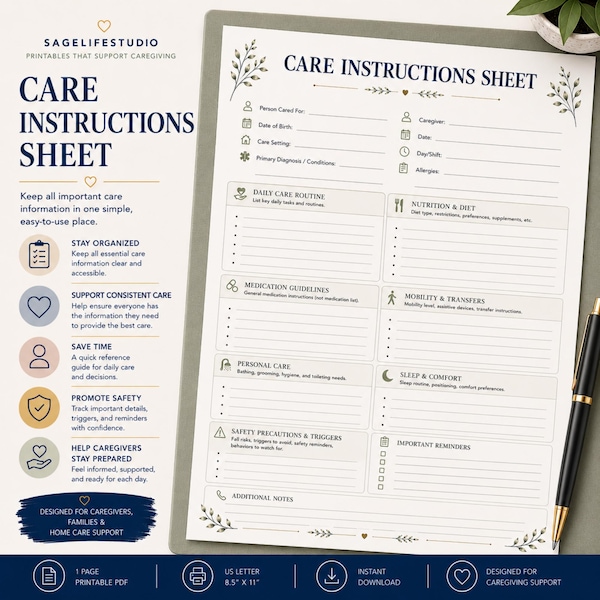
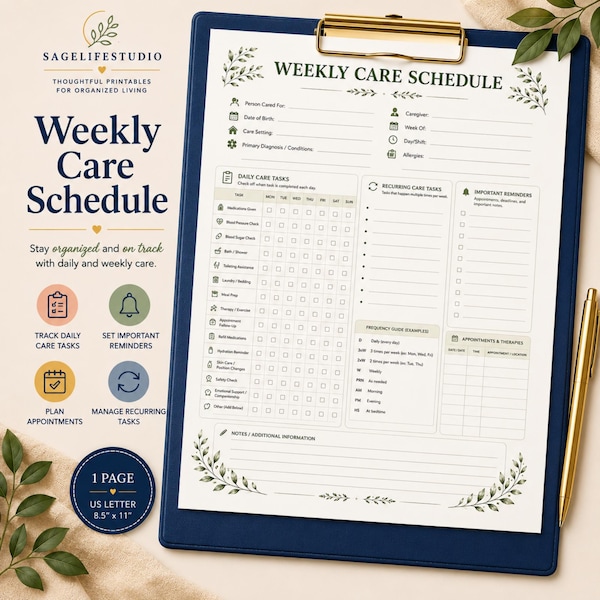
If you would like finished pages for your task list, daily log and shared binder, you can browse printable binders, logs and planners on Etsy.
Frequently asked questions
How do we divide caregiving fairly when one person lives closer?
Fair does not have to mean identical. The person nearby may take in-person tasks, while others cover calls, paperwork, costs or respite time. Writing everything down makes the total workload easier to compare.
What if someone refuses to take on any tasks?
Start by asking what they are able to do, even something small, and offer clear, specific choices. If tension remains, consider a neutral conversation with a family member, counselor or local caregiver support group.
Should the person receiving care help decide who does what?
Whenever possible, yes. Include them in the conversation about preferences and routines, and follow the care team's guidance on anything related to health or safety.