Dog Boarding Information Sheet: What to Give the Kennel or Sitter
A dog boarding information sheet is a one- or two-page summary you hand to the kennel, boarding facility or home-based sitter before you leave. It should cover your contact details, your vet, feeding and walking routines, medication notes copied from your vet, and the habits that make your dog, your dog. If the staff can read it in two minutes and know what to do at 7 a.m. and at 10 p.m., it is working.
This is an organizing guide, not veterinary advice. Copy medication names, amounts and feeding instructions exactly as your vet gave them, and follow your vet’s directions. The sheet only keeps that information in one place.
Why a written sheet beats a quick chat
Drop-off is rushed. You are saying goodbye, the front desk is busy, and the person you talk to may not be the one on duty tomorrow. Verbal instructions get lost between shifts. A printed sheet travels with your dog’s file, so every staff member reads the same thing.
It also helps you. Filling it out the night before forces you to notice what you forgot to buy, which vaccine paperwork you still need, and which phone number is out of date.
Section 1: who is who
Start at the top with the basics.
- Dog’s name, breed, age, weight and a recent photo
- Microchip number and the company that holds the registration
- Your phone number, plus where you will be and the dates you are away
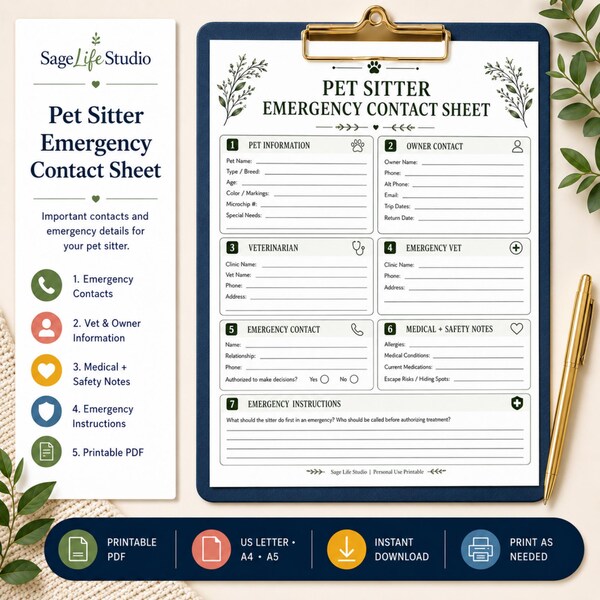
- A backup contact who can make decisions if you cannot be reached
- A person who can pick up your dog in an emergency
Add your regular vet’s name, clinic address and phone, along with the emergency clinic you would use after hours. If you have pet insurance, note the company and policy number. Our emergency contact sheet guide has a layout you can borrow.
Section 2: feeding
Write down what happens in your house, not what you wish happened.
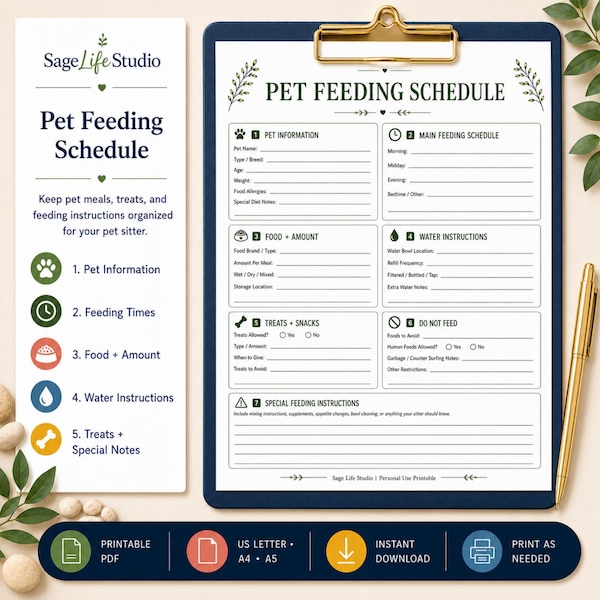
- Food brand and type, how much, and what time
- Whether you are sending food from home, and how many portions are in the bag
- Treats allowed and how many per day
- Water habits, such as whether your dog gulps or needs a slow bowl
- Foods or items to avoid, as advised by your vet
Many facilities ask you to bring pre-measured meals. Label each bag or container with the day and meal so nobody has to guess.
Section 3: medications and supplements
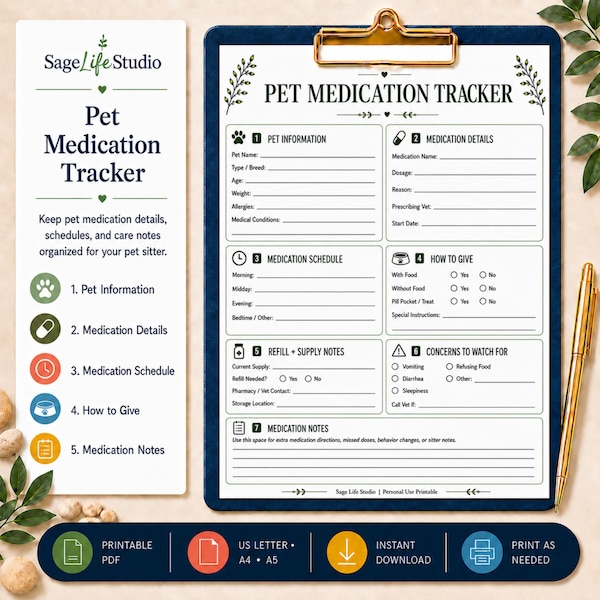
Give each item its own line: name, amount, schedule and reason in your own words, all exactly as your vet prescribed. Say whether the medicine goes with food, where it is packed, and whether staff are allowed to give it. Include a written note from the clinic if you have one, and ask the facility how it handles medication before drop-off. If anything is unclear, call your vet’s office rather than guessing.
Section 4: routine and exercise
- Walk, play and potty schedule
- Preferred spot to sleep and any bedding or toy you are sending
- Crate habits, such as whether your dog settles or cries
- How your dog does with other dogs, including favorite playmates or dogs to avoid
- Commands your dog knows, and the words you use
Section 5: behavior and handling notes
This is the part staff value most. A few honest sentences prevent most surprises: pulls on the leash, afraid of thunder, escapes through gates, guards food, loves belly rubs, shy with men in hats. If your dog has bitten or snapped, say so plainly so staff can handle things safely. It is a kindness, not a confession.
Section 6: paperwork to clip behind the sheet
Facilities usually need proof of vaccines and sometimes flea or parasite records. Check your boarder’s requirements well ahead of the stay and keep copies in your pet care binder. Bring your vet’s records exactly as the clinic gave them. Do not alter them.
What to pack
- Collar with ID tag and a leash
- Food, medications and treats, labeled
- Bedding or a worn T-shirt that smells like home
- A favorite toy, if the facility allows it
- The information sheet and records, in a folder or envelope
A simple routine for each trip
- Update the sheet from last time instead of starting over
- Print two copies, one for the facility and one for your bag
- Photograph the sheet so you have it on your phone
- Confirm the facility has your correct phone number
- After pickup, jot down notes on how the stay went for next time
For longer trips with a home sitter instead of a kennel, a pet sitter information sheet covers the extra things a sitter needs, like locking up and bringing in the mail.
Quick checklist
- Contact details and a backup contact
- Vet, emergency clinic and insurance
- Feeding amounts and times
- Medication notes copied from your vet
- Routine, exercise and sleep habits
- Behavior and handling notes
- Vaccine records and packed supplies
Frequently asked questions
Ready-made printables to get you started
If you would rather start with finished pages than a blank sheet, you can browse pet information sheets, medication trackers and printable binders on Etsy.
Frequently asked questions
What should I include on a dog boarding information sheet?
Include your contact details and a backup, your vet and emergency clinic, feeding amounts and times, medication notes copied from your vet, routine and exercise habits, behavior notes and a list of what you packed.
Should I give the boarding facility my vet's information?
Yes. List your regular vet and the emergency clinic you would use, with phone numbers and addresses, and note who may approve care if you cannot be reached. Ask the facility what authorization it needs.
How far ahead should I fill out the sheet?
Fill it out a few days before the stay so you have time to buy food, gather vaccine records and fix anything missing. Then update the same sheet for future trips rather than starting over.