House Sitter Instructions: What to Write Down Before You Go
Good house sitter instructions are a short, written guide that covers how to get in, how the house works, who to call and what needs doing each day. Put access, contacts and the “if something goes wrong” plan on the first page, then add the daily tasks and household quirks behind it. A sitter who can find every answer on paper will rarely need to text you while you are away.
This is an organizing guide, not professional advice. If anyone in the home has health needs, copy the care team’s written instructions as they are and ask the sitter to follow them. The sheet only keeps information in one place.
Start with the first-day basics
The first page should answer what a sitter needs in the first ten minutes.
- Access: which door to use, where keys are, alarm instructions and any codes (share codes in person or through a private message, not on a sheet left in view)
- Your schedule: where you are, your travel dates, your time zone and the best way to reach you
- Backup contact: a neighbor or relative nearby who knows the sitter is coming
- Arrival and departure: when the sitter starts, when you return and what state to leave the house in
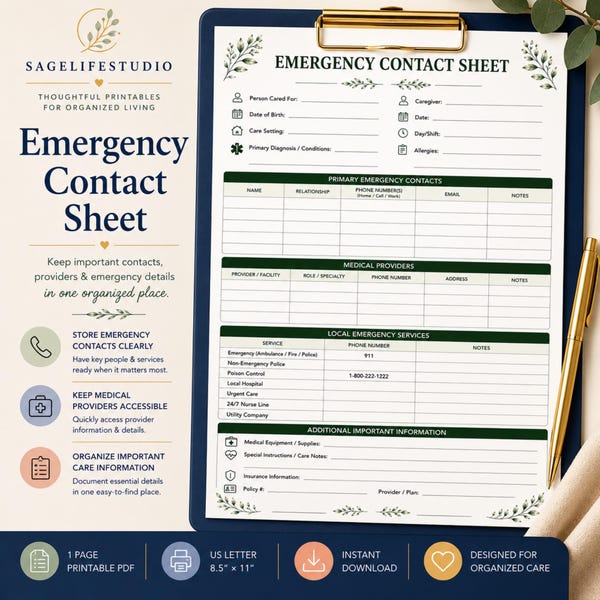
Build the contact section from an emergency contact sheet so you are not rewriting numbers each trip.
Explain how the house works
Every home has habits that are obvious to you and invisible to a guest. Write them down.
- Thermostat settings and how to adjust them
- Where the water shutoff, breaker panel and flashlight live
- Trash and recycling days, and where the bins go
- How the washer, dishwasher, TV and Wi-Fi work, including the network name
- Rooms or areas that are off limits
- Where spare supplies are kept, such as light bulbs, batteries and cleaning products
Add one line on who to call for a plumber or electrician if something fails, and whether the sitter may approve a repair or should reach you first.
List the daily tasks
Turn “keep an eye on things” into a short routine the sitter can tick off.
- Bring in mail and packages
- Water indoor plants, with a note on which ones and how much
- Rotate lights or blinds if you want the house to look lived in
- Take bins to the curb on the right days
- Check doors and windows at night
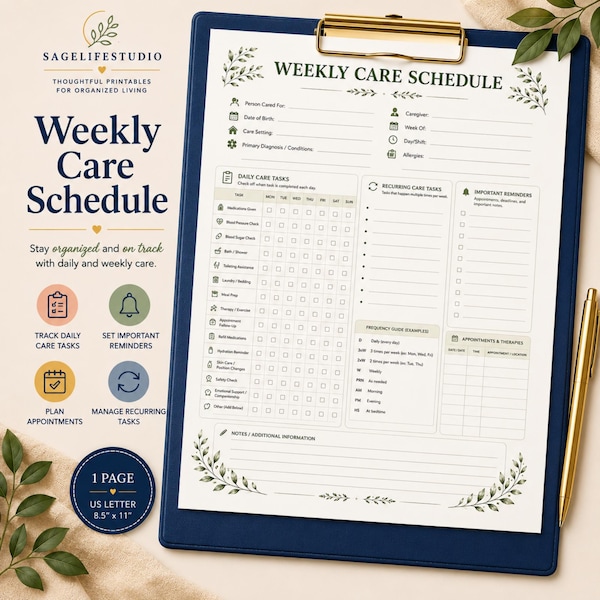
Tasks tied to a time of day go in a simple table or checklist. A daily routine sheet uses the same layout and works well as a model.
If there are pets or people at home
A house sitter often covers animals, and sometimes a family member too. Keep those details separate so they do not get lost among the house notes.
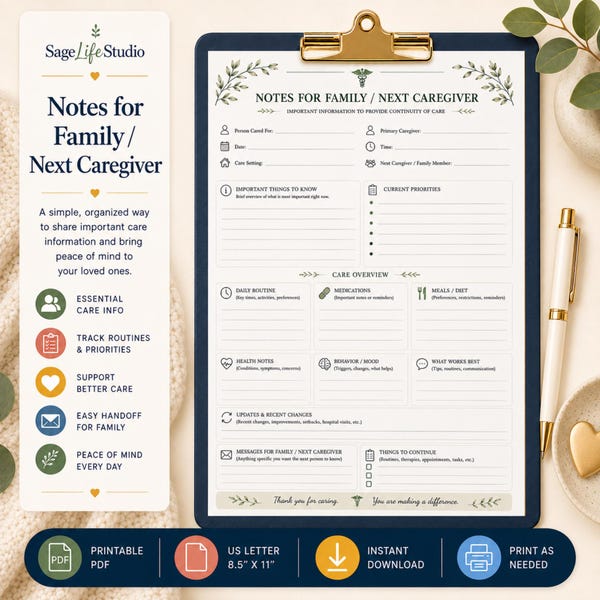
For pets, include feeding amounts and times, walking routine, the vet’s contact details and any instructions already given by your vet. Our guide to a pet sitter information sheet covers this in depth. For children or adults who need care, point to the relevant sheet or binder rather than summarizing it from memory.
Write the “what if” plan
Sitters feel most confident when they know what to do in a surprise. Keep this section calm and specific.
- Emergencies: call local emergency services first, then you or your backup contact
- Power outage or burst pipe: where the shutoff or breaker is and who to call
- Lockout or lost key: who has a spare
- Unexpected visitors or deliveries: who is allowed in and what to do otherwise
- Insurance and home details: where the policy numbers or papers are stored, so the sitter can point someone to them without carrying copies
Set expectations in writing
Clear expectations protect the friendship and the house. Note whether the sitter may have guests, use the car or kitchen, host overnight visitors or move furniture. Include payment details if relevant: the rate, the dates and how and when it will be paid. Keep it factual and polite.
Before you leave: the handoff
- Walk the sitter through the house with the sheet in hand
- Show where the sheet lives, such as the kitchen counter or a binder at the front
- Test the alarm, locks and Wi-Fi together
- Confirm contact times, such as a quick message each evening
- Stock food, pet supplies and cash for small expenses
- Date the sheet and leave a copy with your backup contact
After you return, ask what was missing and fix the sheet while it is fresh. Next trip, you only update what changed.
Quick checklist
- Access and alarm details shared safely
- Your travel schedule and backup contact
- House systems and shutoff locations
- Daily task list
- Pet and household care sheets attached
- Emergency and “what if” plan
- Rules, expectations and payment noted
- Reviewed in person and dated
Frequently asked questions
Ready-made printables to get you started
If you would rather start with finished pages than a blank sheet, you can browse printable binders, logs and sitter sheets on Etsy.
Frequently asked questions
What should I include in house sitter instructions?
Cover access and alarm details, your schedule and contacts, how the house works, daily tasks, pet or household care sheets, a "what if" plan and your expectations. Put the most important items on the first page.
How long should house sitter instructions be?
Two to four pages is usually enough. Keep emergencies and access up front, and use short lists rather than paragraphs so the sitter can find answers quickly.
Should I put door codes on the sheet?
It is safer to share codes in person or through a private message instead of leaving them on a printed sheet that others could see. The sheet can simply say where to find them.