New Baby Binder: What to Track in the First Year
A new baby binder is one folder that holds everything on paper about your baby’s first year: appointment dates, health records handed to you by the clinic, contact numbers, daily notes and the paperwork that arrives in the mail. The goal is simple. When someone asks “when was the last visit?” or a grandparent is watching the baby for an afternoon, the answer is in one place instead of scattered across phone notes, receipts and the kitchen counter.
This is an organizing guide, not medical advice. Write down what your baby’s doctor and care team tell you, follow their instructions, and use the binder only to keep that information tidy and easy to find.
Why a binder helps in the first year
The first year is a blur of sleep loss and small decisions. You collect a surprising amount of paper: hospital discharge forms, birth paperwork, insurance letters, visit summaries and handouts. You also take in a lot of verbal information at appointments that is hard to remember at 3 a.m.
A binder gives all of it a home. It also makes handoffs easy, because a partner, relative or sitter can open one book and see the routine, the contacts and the notes. If you have already built one for an older child, our guide to a medical binder for a child covers the same idea at a broader level.
What to put in the binder
Use tabbed dividers so each section is easy to flip to. A basic setup has six tabs.
1. Key information
- Baby’s full name, date of birth and a recent photo
- The names and phone numbers of the pediatric office and the after-hours line
- Insurance company, member number and plan details
- Parents’ phone numbers and a backup adult
Keep this page on top so anyone can find it fast. For a full contact layout, see our emergency contact sheet guide.
2. Appointments and visits
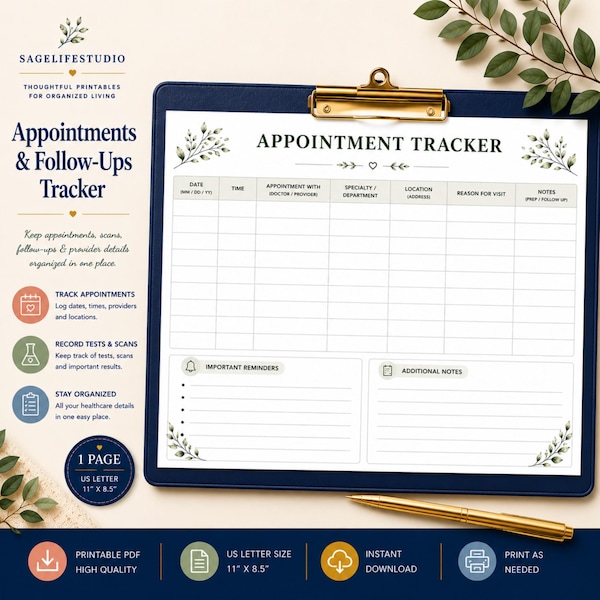
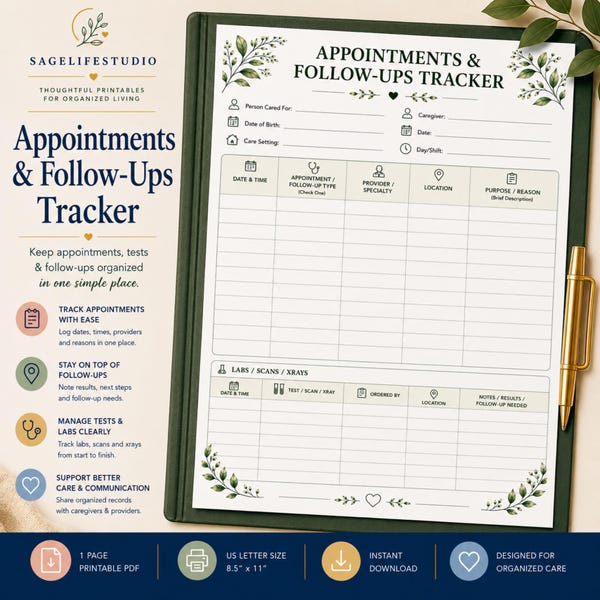
Make a running log: date, who you saw, what was discussed, and any follow-up the office asked you to schedule. Write down exactly what the provider told you, in their words, rather than your interpretation. Bring a short list of questions to each visit and leave room beside it for answers. Our doctor appointment log guide shows a simple format.
3. Health records and paperwork
Use a pocket page or clear sleeves for the papers the clinic gives you. Keep originals or copies as provided, and do not alter them. Typical items include visit summaries, any immunization record the office hands you, and hospital discharge paperwork. Ask your pediatrician’s office what they recommend you keep and bring to appointments.
4. Daily notes
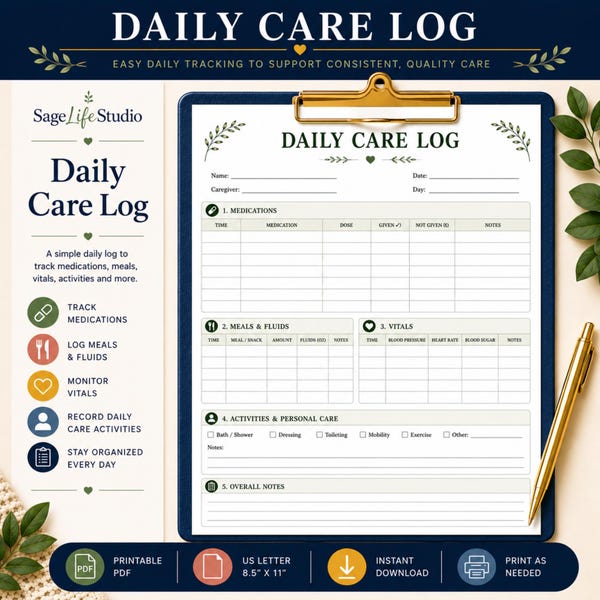
Many new parents jot down feeds, diaper changes and sleep to have something concrete to share at visits, or to help another adult step in. Keep it light: a one-page daily chart with columns for time and a short note is enough. If your care team gives you specific things to track, track those and nothing more.
5. Milestones and memories
This tab is the fun one. Add a page for dates of firsts, such as first smile or first tooth, and a few lines about how the day felt. It takes two minutes and becomes the part of the binder you will treasure.
6. Insurance, billing and benefits
Birth and newborn paperwork often comes with deadlines for adding a baby to coverage. Track what you submitted, the date, who you spoke with and any reference number. Keep explanation-of-benefits letters and bills in a pocket so they do not pile up. Questions about coverage should go to your insurer or benefits office.
Setting it up in one evening
- Gather every baby-related paper into a single pile
- Sort into the six tabs above
- Fill out the key information page first
- Add a blank appointment log and a stack of daily note pages
- Place the binder where every caregiver can find it, such as the kitchen or the changing area
Keeping it going
A binder only works if it is easy. Put a pen on a string or in a pocket. Update the appointment log right after each visit while the details are fresh. Once a month, spend ten minutes filing loose papers and tossing duplicates. If daily notes start to feel like a chore, scale back to what you actually use.
Quick checklist
- Key information page with contacts and insurance
- Appointment log with questions and follow-ups
- Pocket for records and discharge paperwork
- Simple daily note pages
- Milestone page
- Billing and insurance tracker
Frequently asked questions
Ready-made printables to get you started
If you would rather start with finished pages than blank paper, you can browse printable binders, logs and information sheets on Etsy.
Frequently asked questions
What should go in a new baby binder?
Include a key information page, an appointment log, a pocket for records the clinic gives you, simple daily note pages, a milestones page and a place for insurance and billing paperwork.
When should I start a baby binder?
Many parents start during pregnancy or in the first weeks home, once paperwork starts to arrive. Starting early is easier, but you can set one up at any point in the first year by sorting what you already have.
Is a baby binder a substitute for medical advice?
No. A binder only organizes information. Follow your baby's doctor and care team for health decisions, and use the binder to write down and find what they tell you.