School-Day Morning Routine Chart for Kids With a Sitter or Caregiver
A good school-day morning routine chart is a one-page, time-ordered list of what has to happen between waking up and walking out the door, written so someone who has never done your mornings could follow it. Put the times on the left, the tasks beside them, and the “where is everything” details at the bottom. If a sitter, nanny or relative can run the morning from that page alone, the chart is doing its job.
This post is about organizing only. If any part of your child’s morning involves health needs, follow the instructions from your care team and simply use the chart to record where those instructions are kept.
Why a written chart beats a verbal handoff
Mornings are fast. A sitter who hears the routine once the night before will forget half of it by 7:15 a.m. A written chart means the sitter is not guessing, the kids are not negotiating (“Mom lets us skip that”), and you are not answering texts from the bus stop.
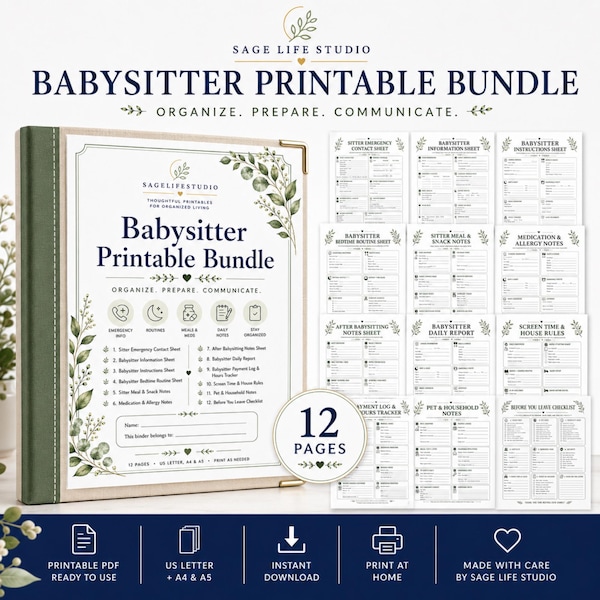
It also helps when the person changes. A grandparent covering for a week, a new sitter or a neighbor filling in can all use the same page. If you already keep a babysitter information sheet, the morning chart sits right behind it.
What to include on the chart
Start with the deadline and work backward. If the bus comes at 7:45, that is your anchor, and every other time follows from it.
- Wake-up time and how to wake each child (lights, a gentle call, an alarm)
- Order of tasks: getting dressed, breakfast, teeth, hair, shoes
- Breakfast options the sitter can offer, plus anything the family avoids
- Bag check: homework, signed forms, library book, gym clothes, water bottle
- Lunch plan: packed the night before, or what to pack and where it is
- Departure time and how kids get to school (bus, walk, car, drop-off line)
- Weekday differences: gym day, show-and-tell, early dismissal, club days
- After you leave: what to do if the bus is missed or a child says they feel unwell
For feeling unwell, write only what you want the sitter to do, such as “call me first,” and follow your care team’s and school’s guidance. The chart organizes your instructions; it does not replace them.
A simple layout you can copy
| Time | Task | Notes |
|---|---|---|
| 6:45 | Wake kids | Lights on, 5-minute warning |
| 7:00 | Get dressed | Clothes laid out the night before |
| 7:10 | Breakfast | Choices in the pantry’s left bin |
| 7:30 | Teeth, hair, shoes | Shoes by the back door |
| 7:35 | Bag check | Folders on the kitchen hook |
| 7:45 | Out the door | Bus stop at the corner |
Adjust the times to your house. Build in a five-minute buffer; every morning has one lost sock.
Make it work for kids, too
Children follow a routine better when they can see it. For younger kids, use pictures or simple words next to each step. For older kids, let them check off their own tasks. Giving a child ownership of the chart also takes pressure off the sitter, who becomes a guide rather than a drill sergeant.
A few things that help:
- Prepare the night before. Lay out clothes, pack bags and set lunches in the fridge. Tell the sitter where each thing is.
- Keep one spot for school items. A hook, bin or shelf near the door cuts down on searching.
- Write rules the way you want them said. “Screens stay off until shoes are on” is clear and easy to repeat.
- Note the rewards or routines you already use so the sitter does not invent new ones.
Add a “who to call” strip
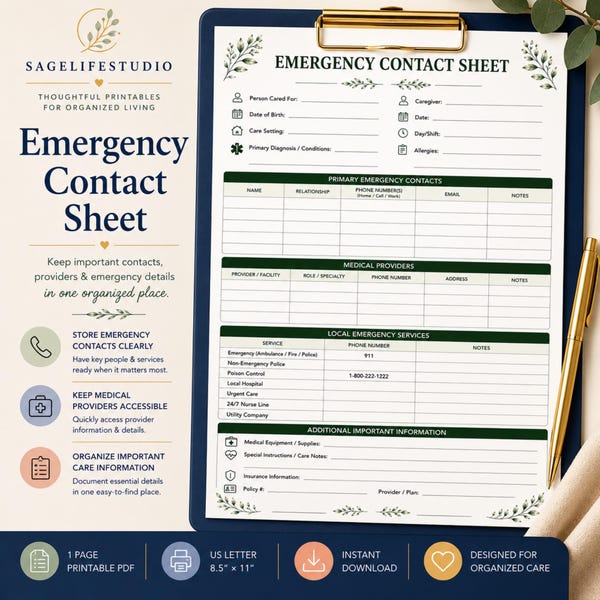
At the bottom of the chart, add three lines: your phone number, a backup adult and the school office number. Pair it with your emergency contact sheet so the details live in one place.
Where to keep the chart
Post it where the morning happens: the fridge, the pantry door or inside a kitchen cabinet. Keep a second copy in your sitter binder. If you want a fuller system for the whole day, see our daily routine chart for caregivers and the nanny weekly schedule and routine sheet.
Quick checklist
- Is the departure time the first thing you wrote down?
- Does every task have a time and, if needed, a location?
- Are weekday differences listed?
- Are backup contacts and the school number on the page?
- Does the sitter know where the chart lives?
- Have you walked the sitter through it once?
Frequently asked questions
Ready-made printables to get you started
If you would rather start with finished pages, you can browse printable routine sheets, sitter pages and binders on Etsy.
Frequently asked questions
How detailed should a morning routine chart be for a sitter?
Detailed enough that someone new could follow it without calling you, but short enough to fit on one page. Times, tasks and locations are usually enough; save longer notes for a separate information sheet.
Should I have my kids help make the chart?
Yes, if they are old enough. Kids who help write or decorate the chart are more likely to follow it, and it gives the sitter a shared reference point.
What if the routine changes day to day?
Make a base chart for a normal day and add a small box for exceptions, such as gym days or early dismissals. Update it when the school schedule changes.