Travel Binder for a Trip With a Dependent: What to Bring in Writing
A travel binder is a small, portable folder that holds the written information someone would need if plans change on a trip: contacts, daily routines, copies of key papers and a plain-language summary of care instructions. Build it in four sections (contacts, routine, papers and itinerary) and keep one copy in your carry-on and one with a trusted person at home.
This is an organizing guide, not medical, legal or travel-insurance advice. For anything involving health, copy instructions exactly as the care team gave them, and ask them what to bring and plan for. The binder only keeps your information in one place.
Why put it on paper
Phones die, hotel Wi-Fi fails and apps are hard to use when you are tired in an airport. A paper binder works in every situation, and it lets a travel companion, relative or sitter step in without calling you for answers. It is also useful if you hand off care for an afternoon so you can attend an event.
If you already keep an everyday binder at home, the travel version is a trimmed-down copy. Our guide to what to put in a medical binder covers the fuller home version.
Section 1: contacts
Keep this page at the front, where it is easy to find.
- Your own phone numbers and the numbers of everyone traveling with you
- A contact at home who has the full details and can answer questions
- The regular doctor’s office and pharmacy, with phone numbers
- Insurance company member services number
- The hotel or lodging address and phone number
- Local urgent care or hospital near where you are staying, written down before you leave
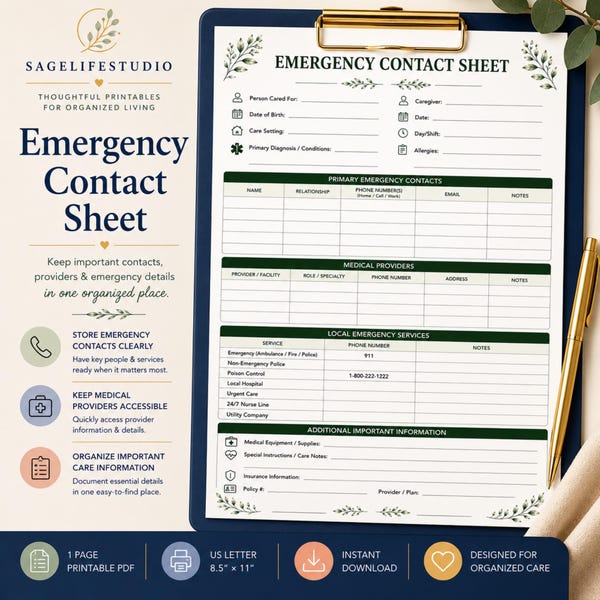
Our emergency contact sheet guide shows how to lay this page out so it can be read at a glance.
Section 2: routine and care notes
Write the daily routine as it actually runs at home, then note anything that will change on the trip, such as time zones, meal times or sleep.
- Wake-up, meal, nap and bedtime times
- Foods that are allowed, avoided or preferred
- Comfort items, calming habits and things that tend to cause stress
- Mobility or equipment notes, such as “wheelchair folds, in trunk”
- Medication names and times exactly as listed by the prescriber, with the date you copied them
Do not change doses, skip items or add your own guidance. If the schedule needs adjusting for travel or time zones, ask the prescriber or pharmacist before you go, then write down what they say. A medication schedule chart makes the copied times easy to scan.
Section 3: papers and copies
Bring copies, not originals, unless an original is required. Keep them in clear sheet protectors.
- Photo ID and, for children, birth certificate copies if you may need them
- Insurance cards (front and back)
- A one-page health summary prepared from your records
- Any letter from the care team that you were asked to carry
- Permission or consent letters if someone other than a parent will be traveling with a child
- Pet vaccination papers if an animal is traveling too
Ask the airline, train company or accommodation what documents they require, and check official government travel guidance for your destination. Never write passwords or full account numbers in the binder. Write where they are kept instead.
Section 4: itinerary and logistics
- Flight, train or driving details with confirmation numbers
- Hotel or rental address and check-in times
- Planned activities, with a note on which days are lighter
- Rest breaks and backup plans for days when things run late
- A short packing checklist for the dependent’s items, so nothing is left behind
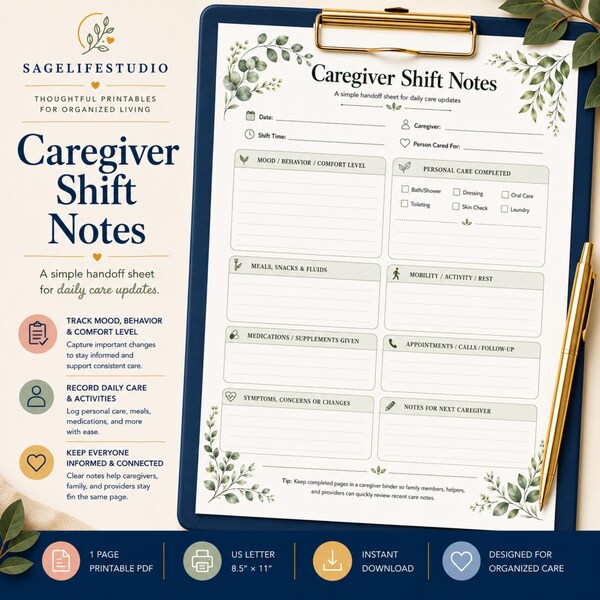
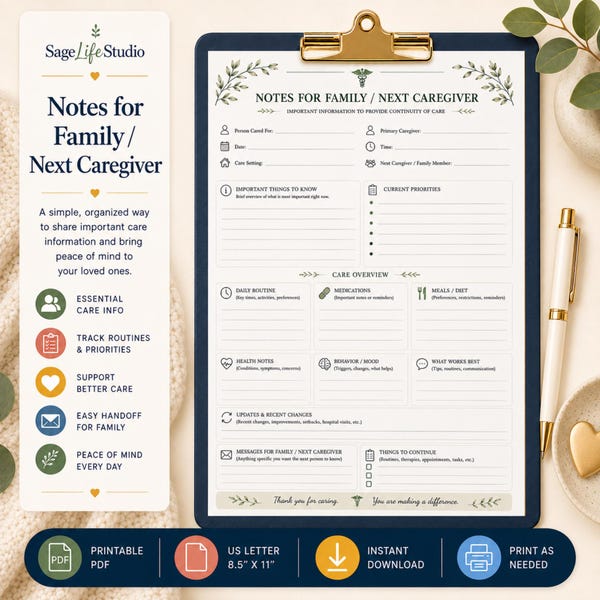
Our caregiver handoff notes guide is a helpful model if more than one adult will share the day.
How to build it in an evening
- Use a slim half-inch binder or a zippered pouch with sheet protectors.
- Label four tabs: Contacts, Routine, Papers, Itinerary.
- Fill in contacts first and photograph or photocopy the page for a second set.
- Write the routine page while the schedule is fresh in your mind.
- Pack it in your carry-on, not the checked bag.
- Leave a copy of the contact and routine pages with someone at home.
After the trip, add a few notes on what worked and what you wished you had brought, and keep them for next time.
Quick checklist
- Contacts, including a person at home
- Routine page with travel changes noted
- Medication list copied exactly from the prescriber
- Copies of IDs and insurance cards
- Itinerary and lodging details
- A second copy left with someone you trust
Frequently asked questions
Ready-made printables to get you started
If you would rather start with finished pages than blank paper, you can browse travel-friendly binders, emergency contact sheets and caregiver printables on Etsy.
Frequently asked questions
What should I put in a travel binder for a child or family member who needs care?
Include contacts, a daily routine page, copies of insurance cards and IDs, health information copied from the care team's instructions, and your itinerary and lodging details.
Should I carry originals or copies of documents?
Carry copies of most papers and keep originals safe at home unless a carrier, border authority or provider specifically requires the original. Check their official guidance before you travel.
Is a paper binder better than a phone app for travel?
Many people carry both. Paper works without power or signal and can be handed to anyone, while an app is easier to update. This guide only covers keeping your information organized, not choosing medical or legal options.